
Music Catalog Meaning
Music Catalog Meaning - Your music catalog is the collection of all the songs you own or control. What is a music catalog? The owner owns the copyrights of the cataloged compositions. A music catalog, a compilation of an artist's work, is not just a collection of songs; It represents a legacy, a journey, and a source of revenue. In the music industry, a music catalog refers to a collection of songs, albums, or compositions owned or represented by a record label, music publishing company, or an. A music catalog, in simple terms, refers to the collection of songs an artist owns. Music from practically any tradition can, of course, be written down. A music catalog is more than just a list of songs; A music catalog is a comprehensive list or inventory of all the songs, compositions, recordings, and other musical works owned or controlled by a music publisher, record label,. In a q&a, jeanne fromer, vice dean of intellectual life and walter j. A music catalog, a compilation of an artist's work, is not just a collection of songs; In the music industry, a collection of musical compositions is cataloged into a music catalog. A music catalog is more than just a list of songs; It encompasses their entire discography, including albums, singles, and any unreleased tracks. What is a music catalog? By “written music,” i mean music that comes into being through the act of composition. The owner owns the copyrights of the cataloged compositions. A music catalog, in simple terms, refers to the collection of songs an artist owns. In the music industry, a catalogue refers to a collection of a recording artist’s, band’s, or composer’s music works, including songs, albums, and other musical compositions. A music catalog, in simple terms, refers to the collection of songs an artist owns. In the music industry, a collection of musical compositions is cataloged into a music catalog. It encompasses their entire discography, including albums, singles, and any unreleased tracks. Regardless of what you sell, you must first determine who owns the music and controls. “selling your music. Your music catalog is the collection of all the songs you own or control. A music catalog is more than just a list of songs; In the music industry, a music catalog refers to a collection of songs, albums, or compositions owned or represented by a record label, music publishing company, or an. A music catalog is a comprehensive list. In the music industry, a collection of musical compositions is cataloged into a music catalog. A music catalog, in simple terms, refers to the collection of songs an artist owns. A music catalogue is not a magic word, but a collection of musical compositions, in particular their copyrights, which come from one and the same artist. Music catalogs are valuable. By “written music,” i mean music that comes into being through the act of composition. The owner owns the copyrights of the cataloged compositions. Derenberg professor of intellectual property law, discusses why the phenomenon of song. In the music industry, a catalogue refers to a collection of a recording artist’s, band’s, or composer’s music works, including songs, albums, and other. “selling your music catalog” can mean selling a complete catalog, a collection of songs or a single song. It encompasses their entire discography, including albums, singles, and any unreleased tracks. In the music industry, a music catalog refers to a collection of songs, albums, or compositions owned or represented by a record label, music publishing company, or an. A music. It encompasses their entire discography, including albums, singles, and any unreleased tracks. In the music industry, a collection of musical compositions is cataloged into a music catalog. By “written music,” i mean music that comes into being through the act of composition. A music catalogue is not a magic word, but a collection of musical compositions, in particular their copyrights,. They also serve as a representation of the. The owner owns the copyrights of the cataloged compositions. A music catalogue is not a magic word, but a collection of musical compositions, in particular their copyrights, which come from one and the same artist. In the music industry, a catalogue refers to a collection of a recording artist’s, band’s, or composer’s. In this article, we delve into the multifaceted. Your music catalog is the collection of all the songs you own or control. Regardless of what you sell, you must first determine who owns the music and controls. It represents a legacy, a journey, and a source of revenue. In the music industry, a music catalog refers to a collection of. A music catalog is a comprehensive list or inventory of all the songs, compositions, recordings, and other musical works owned or controlled by a music publisher, record label,. What is a music catalog? A music catalog, in simple terms, refers to the collection of songs an artist owns. In this article, we delve into the multifaceted. By “written music,” i. A music catalog, a compilation of an artist's work, is not just a collection of songs; A music catalog is a comprehensive list or inventory of all the songs, compositions, recordings, and other musical works owned or controlled by a music publisher, record label,. Regardless of what you sell, you must first determine who owns the music and controls. Music. The owner owns the copyrights of the cataloged compositions. They also serve as a representation of the. What is a music catalog? A music catalog is more than just a list of songs; It’s become a major story in the music industry during the past couple of years, to the point where the biggest music buyers these days are not fans but rather companies. A music catalogue is not a magic word, but a collection of musical compositions, in particular their copyrights, which come from one and the same artist. It encompasses their entire discography, including albums, singles, and any unreleased tracks. Derenberg professor of intellectual property law, discusses why the phenomenon of song. A music catalog, in simple terms, refers to the collection of songs an artist owns. In the music industry, a collection of musical compositions is cataloged into a music catalog. “selling your music catalog” can mean selling a complete catalog, a collection of songs or a single song. In the music industry, a catalogue refers to a collection of a recording artist’s, band’s, or composer’s music works, including songs, albums, and other musical compositions. Regardless of what you sell, you must first determine who owns the music and controls. It represents a legacy, a journey, and a source of revenue. By “written music,” i mean music that comes into being through the act of composition. Music catalogs are valuable assets for musicians as they provide a steady stream of income through royalties and licensing deals.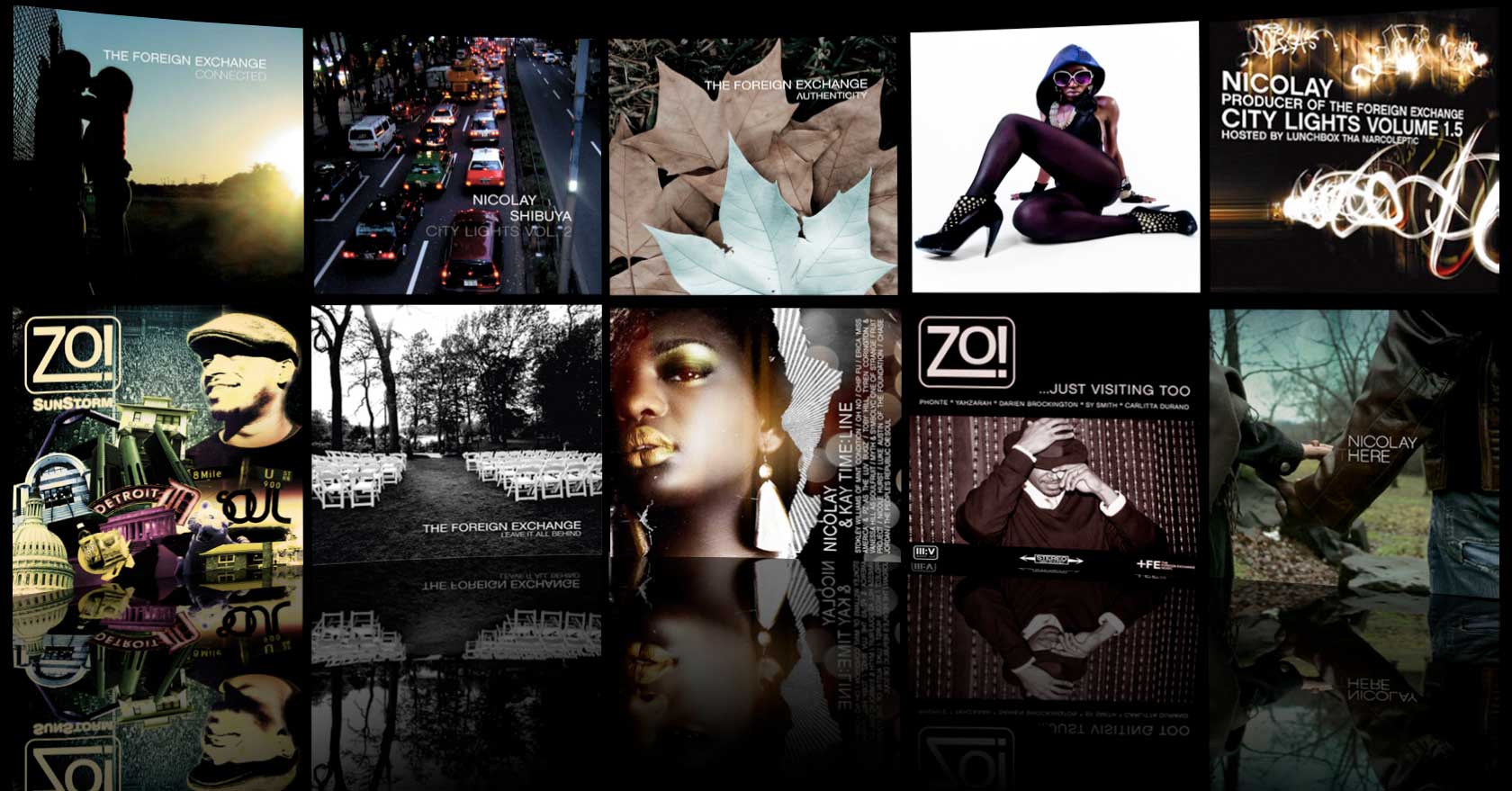
Use this Music Catalog Software to Organize Your Collection En.blog
Why are artists selling their music catalogs?

Music and Musical Instrument Catalogs Guide to Value, Marks, History

Music Catalog Meaning A Beginner’s Guide to the Heart of the Music

What Is A Music Catalog & Why Are Artists Selling
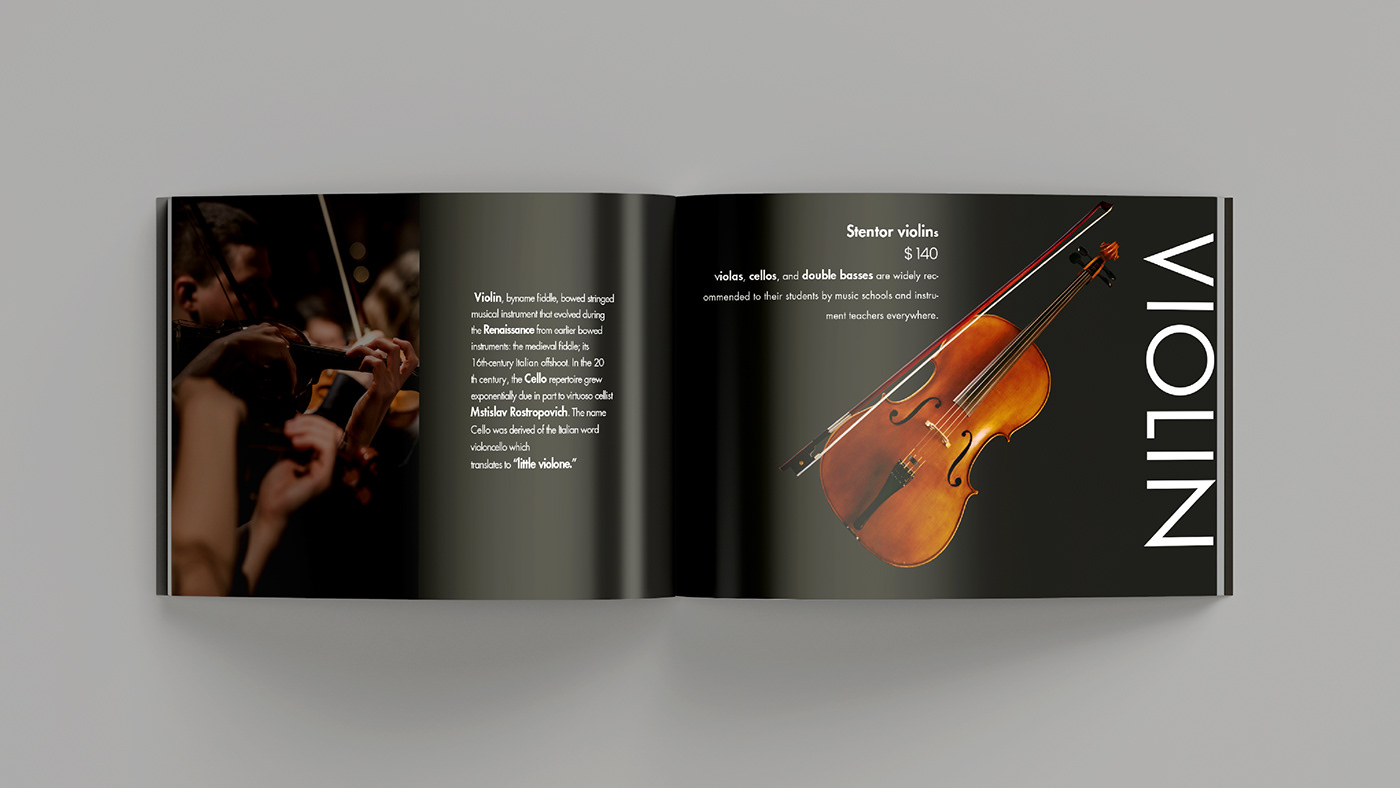
MUSICAL INSTRUMENT CATALOG /NOVA CATALOG Behance
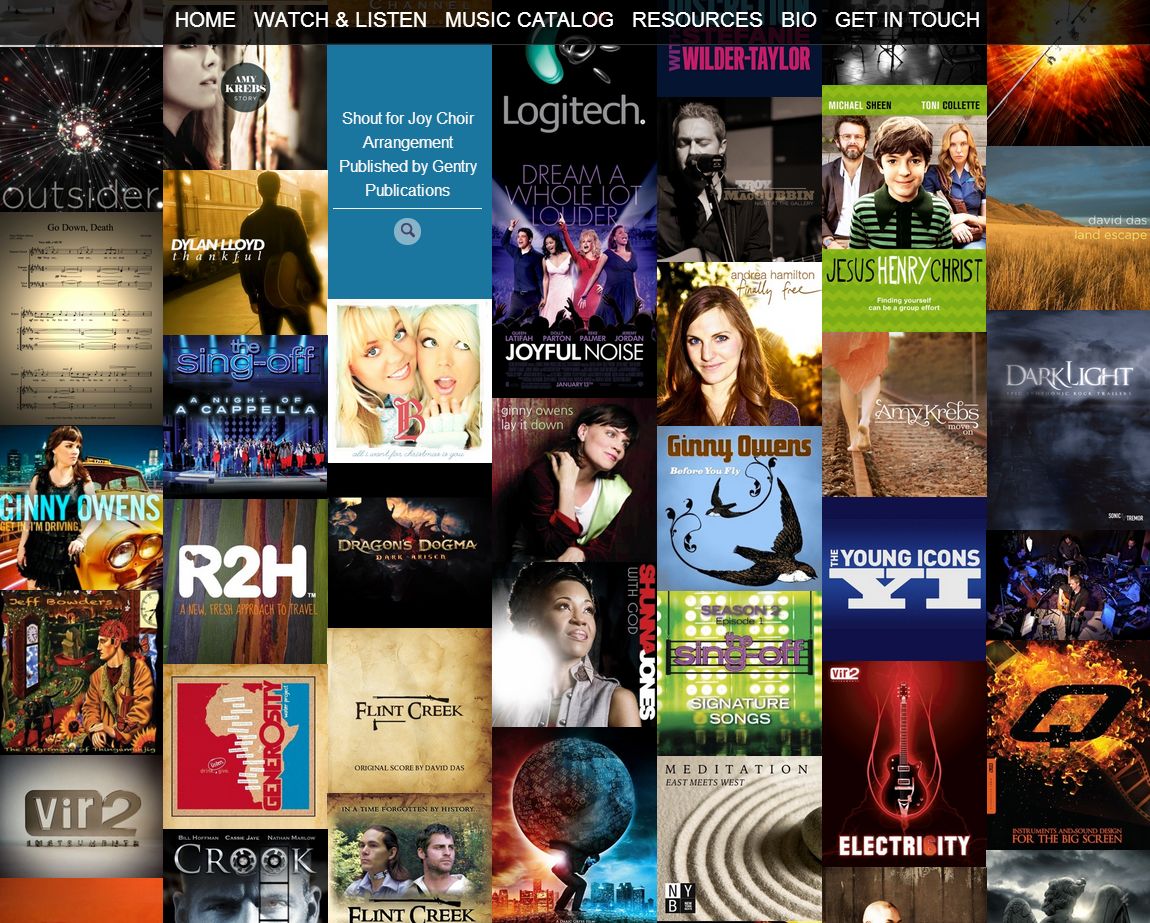
How to build a large music catalog with Views and custom search. A case
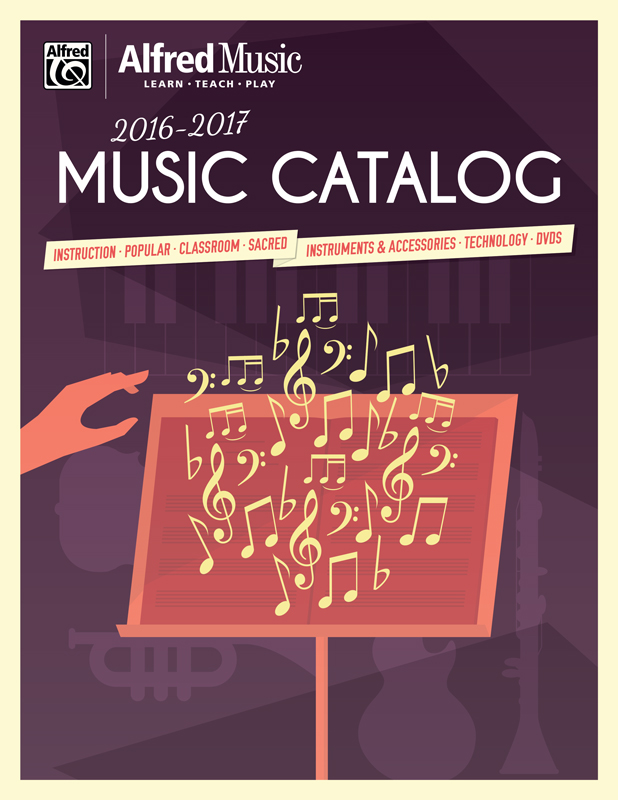
Catalogs
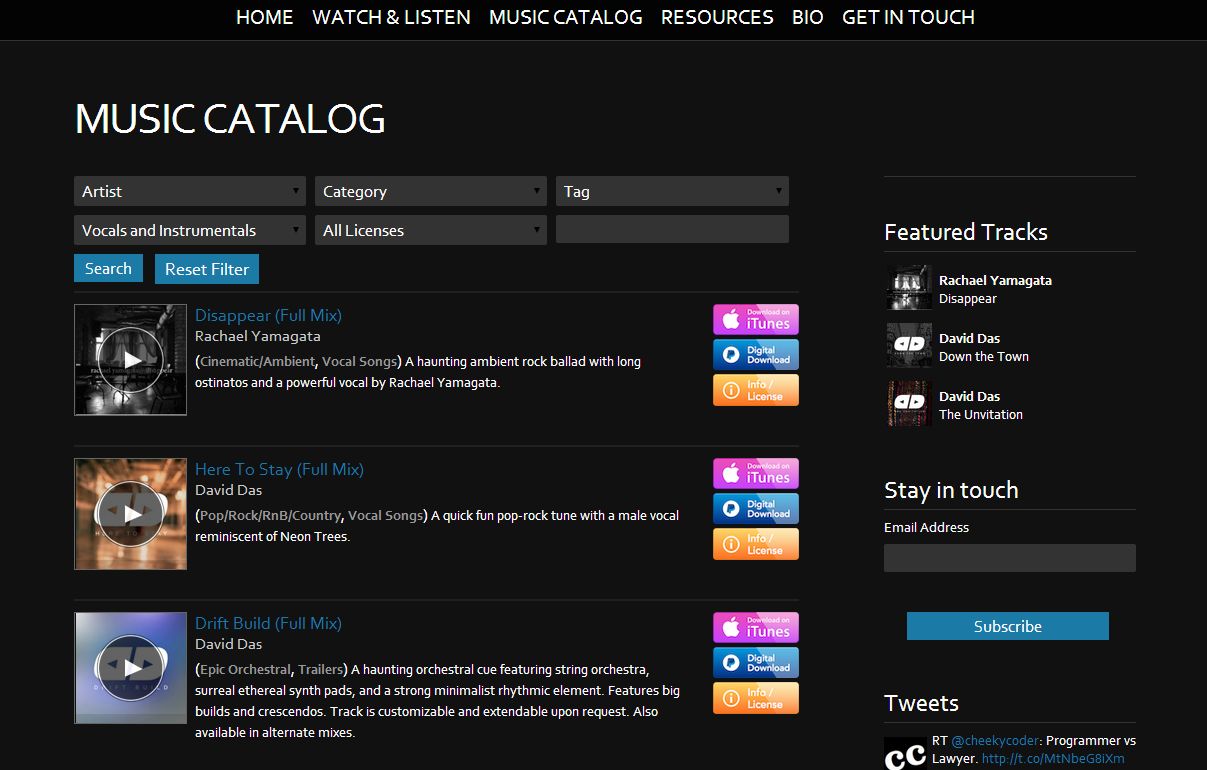
How to build a large music catalog with Views and custom search. A case
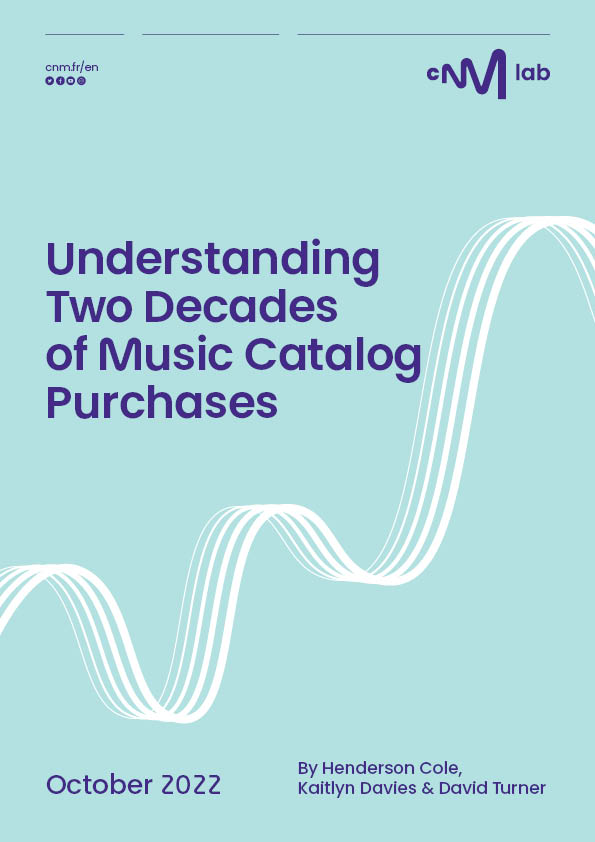
Understanding Two Decades of Music Catalog Purchases CNMlab
In The Music Industry, A Music Catalog Refers To A Collection Of Songs, Albums, Or Compositions Owned Or Represented By A Record Label, Music Publishing Company, Or An.
Music From Practically Any Tradition Can, Of Course, Be Written Down.
Your Music Catalog Is The Collection Of All The Songs You Own Or Control.
In This Article, We Delve Into The Multifaceted.
Related Post: